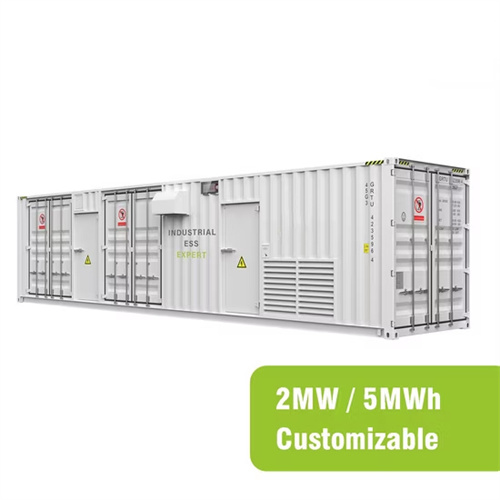
A Complete Guide to Choosing the Right Electrical Enclosure
Ensure the panel electrical box has enough internal space for current equipment and future expansion. Consider external dimensions, especially if you need to fit the enclosure into a tight
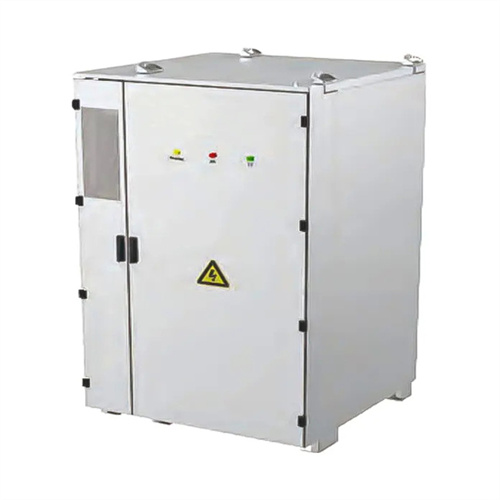
HVAC Overview of Underfloor Air Distribution (UFAD)
Plug-in electrical boxes, power/data outlet boxes and air diffusers are flush mounted in the floor panels and can easily be moved to accommodate reconfiguration of the workspace or floor plan. UFAD
National Electrical Code (NEC) Requirements for Panelboards
Clearance: Electrical panels must be installed in a readily accessible area with a minimum clearance of 30 inches (762 mm) wide, 3 ft (36 inches or 914 mm) deep, and 6.5 feet (≈ 2 meter) high in front of
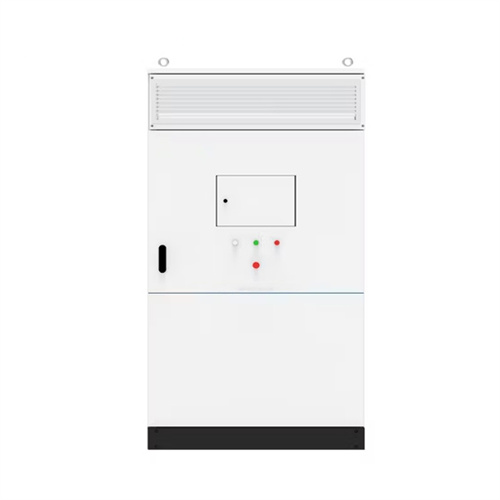
Electrical Panel Mounting Height Requirements: General Installation
In this installation, no circuit breaker (in its highest position) is more than 6 feet, 7 inches above the floor. Therefore, this installation complies with 404.8 (A). The top of the disconnect switch is only 72 inches
Electrical Panel Clearance Requirements & Safety |TRADESAFE
The minimum clear distance is generally 3 feet (0.9 meters) in front of the panel, although this can vary depending on the situation and the type of electrical equipment involved.
Average Space Between Upper And Lower Kitchen Cabinets
Average Space Between Upper and Lower Kitchen Cabinets The distance between upper and lower kitchen cabinets, often termed the backsplash area, is a crucial element in kitchen
PRELIMINARY DESIGN CONSIDERATIONS
1.5.1 Coils should be provided with > 24" between coil bank and adjacent piece of conditioning equipment. For cooling coils, this clearance is to be measured from the upstream and downstream
Series 15 cooling tower engineering data and specifications
The Series 15 is a field-erected, splash fill, crossflow, wood cooling tower, designed to serve all normal cooling water systems—as well as those "dirty water" systems which would place the long term
HVAC How to Size and Design Ducts
Correction for the density is not needed in air conditioning however or cooling applications, if the temperature is between 40°F to 100°F and up to 1000 ft. in elevation. Fan Capacity: The volume of
Electrical Panel Clearance Distance FAQs
There is not a standard electrical code requirement that gives the minimum clearance distance between an electrical panel and a plumbing fixture, but you can figure a minimum distance
Distance between Motor and Electrical box
The motor''s power is 7.5kW and controlled by inverter, Voltage source is 380V - 50Hz and the distance between motor and electrical box is more than 50m. I chose the 4 x2.5mm2 wire to connect the
How Much Space Is Needed Between Nearby Electrical Enclosures?
Fortunately, there are building codes that spell out exactly what you need to know to properly space out your electrical enclosures. While the rules are long and complicated, you can
How to keep cool an enclosure: 5 different thermal management solutions
Is there an ideal system for keeping an electrical enclosure cool? Today we distinguish the main systems, describing for each the characteristics in order to choose the most suitable one in
Safe Clearances for Electrical Equipment: Working Space and
In many commercial facilities, electrical equipment rooms have rows of equipment operating at more than 150 volts to the ground. The aisle (s) between pieces of such equipment, with live parts on both
4 FAQs about [Average distance between self-cooling upper Electrical Box]
How much space do electricians need in front of electrical panels?
The NEC requires a minimum of 3 feet (0.9 meters) of clear working space in front of electrical panels. This space must be free of any obstructions to allow safe access and maintenance. The 3-foot clearance ensures that electricians have enough room to work safely without the risk of contact with live parts or equipment.
How far away should electrical panels be positioned?
Clear Working Area: OSHA requires a specific amount of clear working space around electrical panels to facilitate safe operation and maintenance. The minimum clear distance is generally 3 feet (0.9 meters) in front of the panel, although this can vary depending on the situation and the type of electrical equipment involved.
How wide should a working space be in front of electrical equipment?
Article 110.26(A)(2)—Specifies that the width of the working space in front of the electrical equipment shall be the width of the equipment or 30 inches (762 mm), whichever is greater. The goal is to prevent a worker from being unduly crowded when testing or maintaining equipment. The width of the working space is a factor regarding worker safety.
How far should a power panel be from a building?
The minimum clear distance is generally 3 feet (0.9 meters) in front of the panel, although this can vary depending on the situation and the type of electrical equipment involved. This space ensures that workers have sufficient room to maneuver tools and perform necessary tasks without risk of contact with live parts.