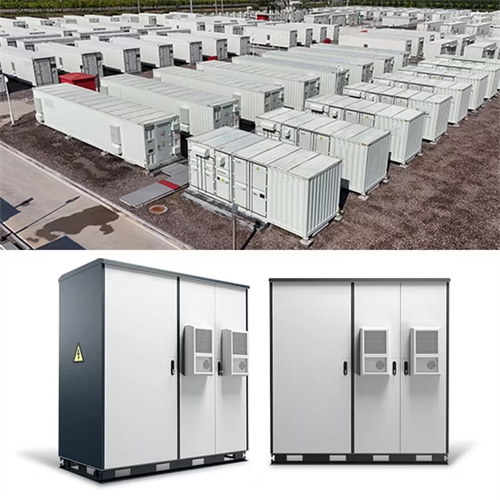
Why Are Outdoor Kiosks More Expensive?
When it comes to outdoor kiosks, the higher price tag generally comes down to three things: more robust enclosures, heating and cooling (HVAC) systems, and outdoor-rated touchscreens.
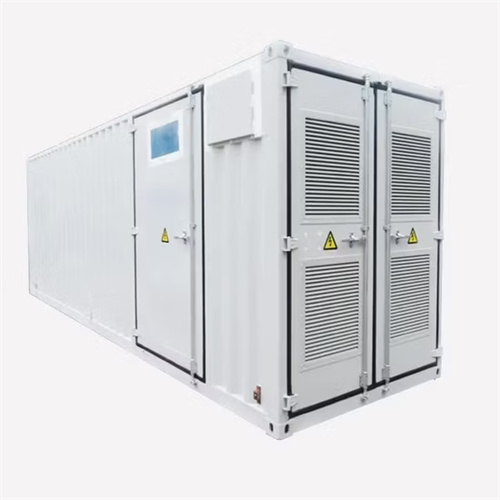
Material and manufacturing cost considerations for thermoelectrics
This work investigates the fabrication costs and coupled thermal and electrical transport factors that govern device efficiency and commercial feasibility of the most promising thermoelectric
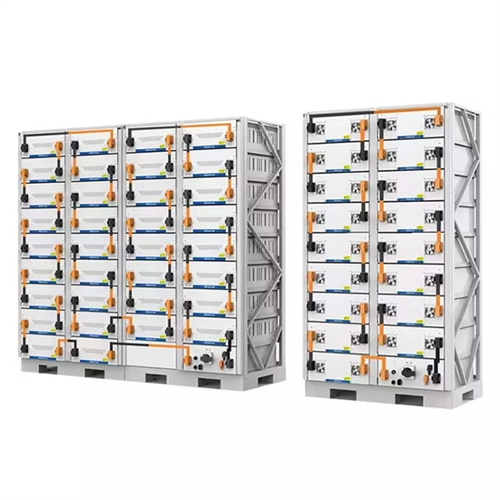
Thermoelectric Cooling for Outdoor Kiosks
With fewer moving parts in the system, thermoelectric cooler assemblies offer a lower cost of ownership. Almost no maintenance is required. For areas where a lot of dust occurs, a filter is recommended
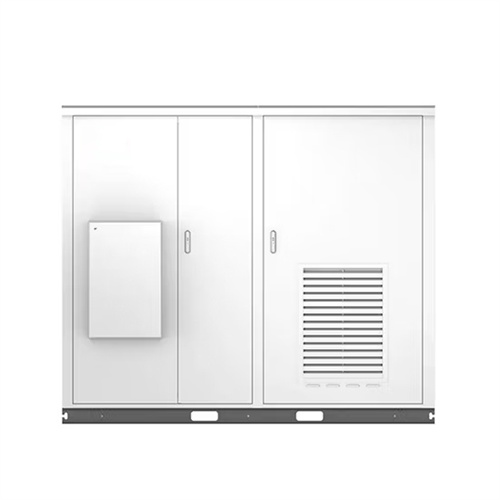
Outdoor Sealed Enclosure Cooling: Kiosk & Control Panel
A Practical Guide to Outdoor Sealed Enclosure Cooling An industrial variable frequency drive (VFD) inside a steel control panel fails on the hottest day of the year, shutting down a critical
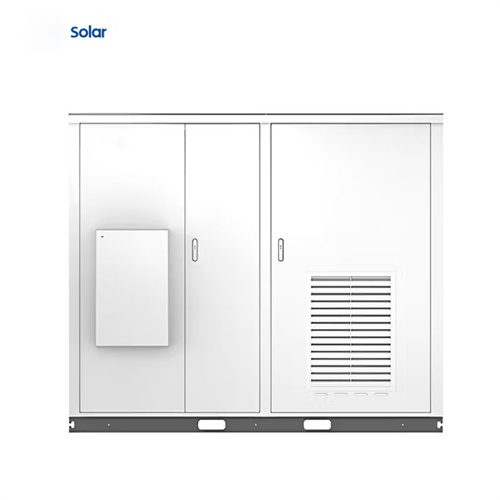
Thermoelectric Cooling for Outdoor Kiosks | Tark Thermal Solutions
Traditionally, compressor-based air conditioning systems have been used in outdoor kiosks. However, new government regulations prevent usage of certain refrigerants in these systems.
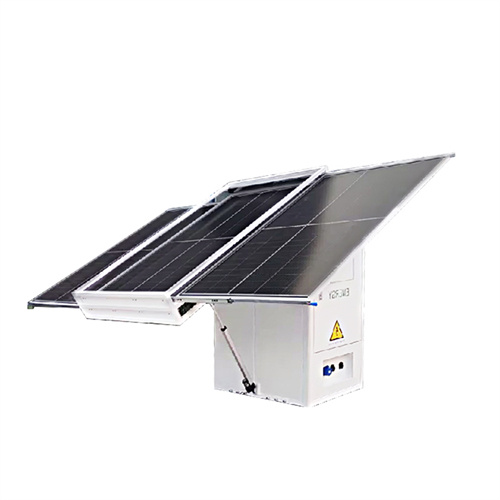
Cost-effective and performance analysis of thermoelectricity as a
The contribution of this research is to explicitly clarify the real cooling cost made by a single popular and affordable thermoelectric module in the market under different working conditions and
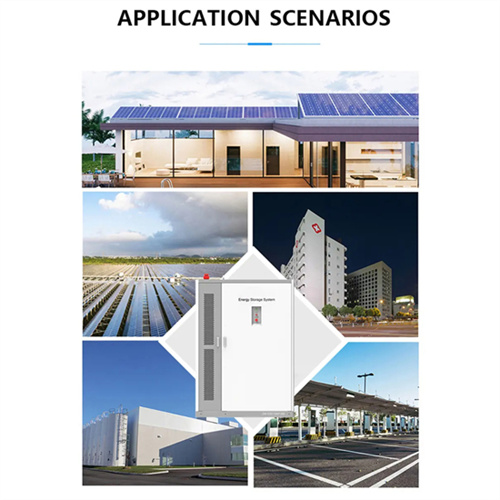
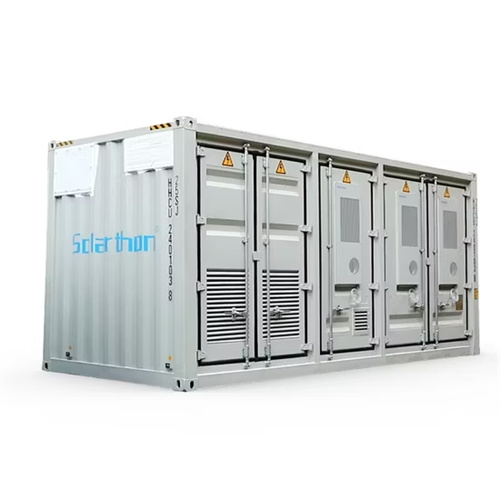
Kiosk substation in Australia for remote areas
Weather-resistant and robust design: Kiosk substations are designed to be withstanding for extreme weather conditions. They are built with robust materials like stainless steel or galvanized steel. These
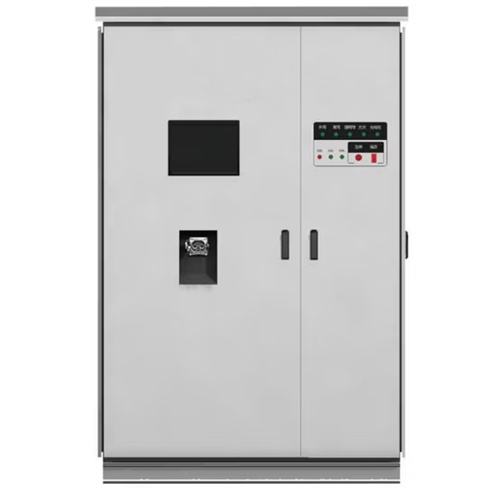
SELECTING COOLING FAN SOLUTIONS FOR KIOSKS IN ANY
Kiosks utilize a variety of technologies to make this possible. Heat sinks and thermoelectric assemblies can address high temperatures and humidity while keeping electronics cool, but they can introduce
SELECTING COOLING FAN SOLUTIONS FOR KIOSKS IN ANY
An out-of-order kiosk is inconvenient, negatively impacts revenue, and normally results in a high maintenance and repair cost. Specifying the right fan and the accessories can contribute greatly to
Metal Kiosk Production: The Symbol of Durability, Efficiency and Safety
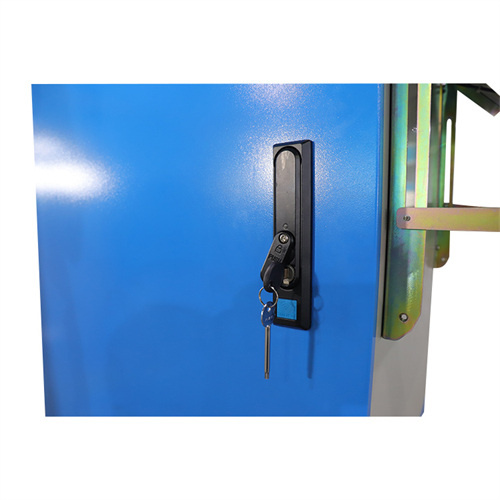
In this article, we will provide an overview of Ofas Energy ''s production of high quality metal kiosks. Here, we will point out the metal kiosk models, their advantages, prices and safety
Thermoelectric Cooling for Outdoor Kiosks
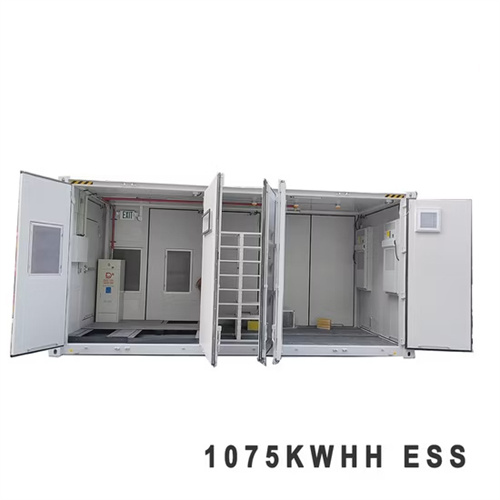
Thermoelectric cooler assemblies can be used to control temperature of the entire Kiosk or a compartment within the Kiosk where sensitive electronics are located. This requires a smaller
4 FAQs about [Cost of thermofelectrical vs steel kiosk]
Are thermoelectric material costs too high?
The results indicate material costs are too high for typical thermoelectric power generation applications at mean temperatures below 135 °C. Above 275 °C, many bulk thermoelectric materials can achieve costs below $1/W.
What is thermoelectrics cost analysis?
4. Conclusion This work applies a new thermoelectrics cost analysis which incorporates material properties, device physics, material costs, manufacturing costs, and system costs. The analysis and resulting cost values provide a tool for thermoelectric device research and development.
How much does thermoelectric cooling cost per kWh?
It is clear that, the cos per any kWh of cooling by thermoelectric varies between 0.7$ and 1.4$ depending on input power and air flow rate. It is clear that obtaining one unit of cooling with lower input power is cheaper than the same amount of cooling if the cooler runs with higher power.
What metrics are used for thermoelectric cooling?
Methods summary Using the device physics models, material properties, material costs, manufacturing costs, and heat exchanger costs, the metrics G (Eq. (1)) for power generation and H (Eq. (2)) for thermoelectric cooling can be evaluated for a variety of traditional and novel thermoelectric materials.