Epsom Salt: Potential Benefits and How to Use It
Another tool that integrative medical specialists often recommend for its physical and mental health benefits is Epsom salt. While no clinical trials have confirmed the benefits of Epsom
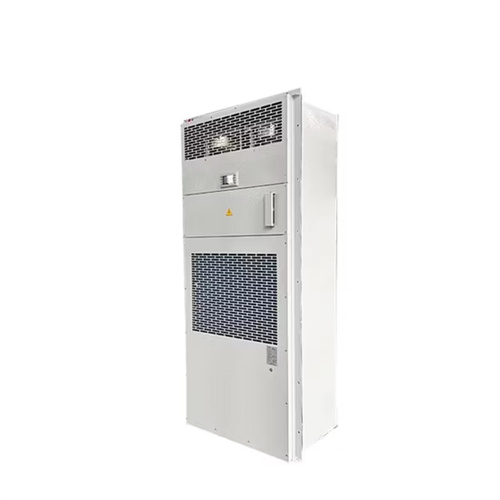
AC Outdoor Unit Clearance Guidelines: Minimum
Most U.S. manufacturers recommend at least 24 to 48 inches (60-120 cm) of open space above the unit—no overhangs, decks, or foliage that might trap hot air against the condenser coils.
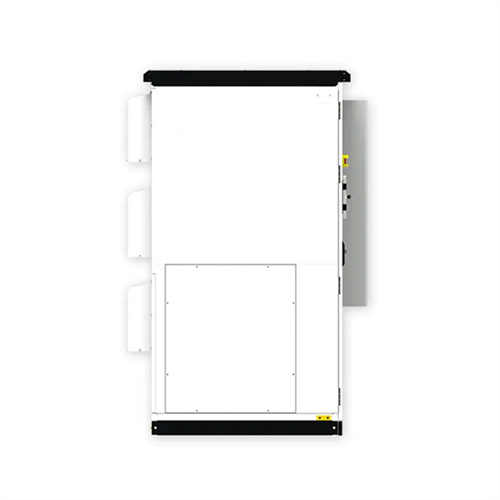
How Much Space Should I Leave Around My Air Conditioner | Smart
At a minimum, you should leave at least one foot of clearance on all sides, but two feet is generally recommended for optimal airflow and cooling effectiveness. This space allows for proper air
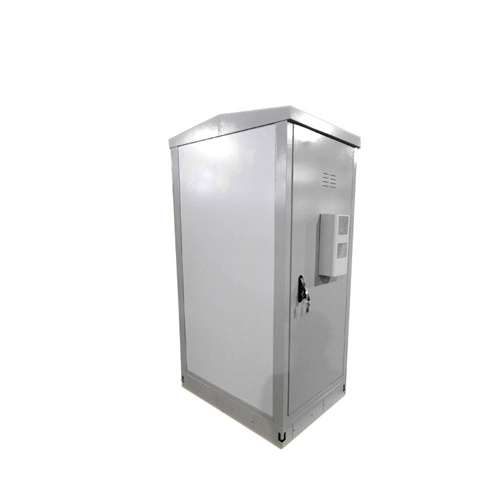
The Perfect Climate Inside Your Enclosure
Particularly in the case of a completely populated enclosure, it is important that enough cool air flows past the components. There are several ways of achieving this as eficiently and responsibly as
Epsom Salt: Benefits, Risks, and How To Use It Safely
Epsom salt contains magnesium, which is involved in over 300 biochemical reactions in your body. You may develop side effects of oral Epsom salt, like nausea, cramps, and diarrhea.
What Is The Space Required For AC Outdoor Unit?
Experts recommend four feet at the minimum but keeping them as far away as possible is the best option. HVAC installers will try to find a suitable area in another part of the property.
2020 NEC Requirement Guidelines for the Installation of Listed Less
Other optional fire safeguard methods that may be applied, depending on the degree of fire hazard present in the installation, are separation from combustible materials or structures, liquid
How Much Clearance Should My Outdoor AC Unit Have Around It?
At the bare minimum, you should have at least one foot (12") of space on each side of your outdoor air conditioning unit. That said, some AC manufacturers suggest that you have at least
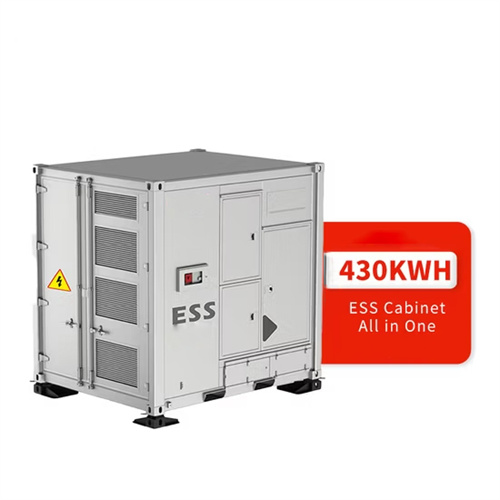
Cooling Tower Fundamentals
Those responsible for the specifications, purchasing and operation of plant, station, or building cooling systems must consider many aspects beyond the primary requirement of dissipating unwanted heat.
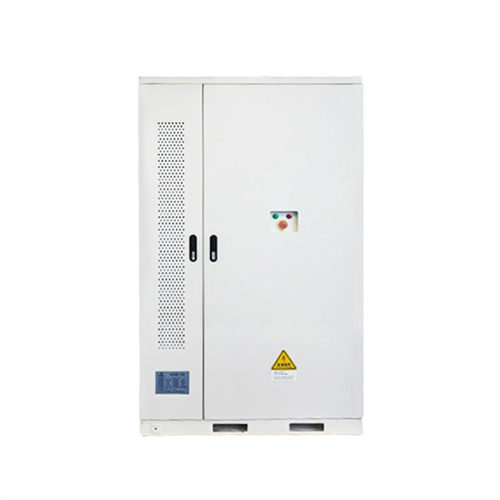
How to keep cool an enclosure: 5 different thermal management solutions
Is there an ideal system for keeping an electrical enclosure cool? Today we distinguish the main systems, describing for each the characteristics in order to choose the most suitable one in
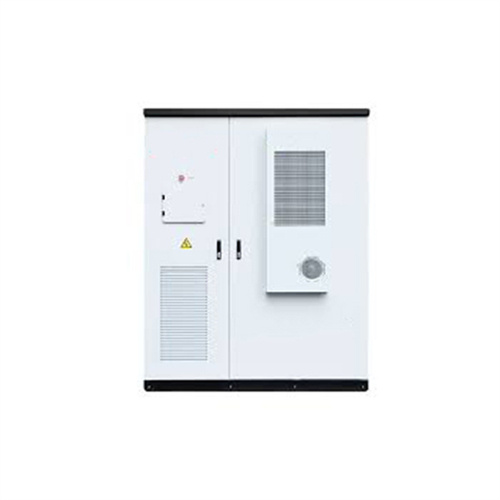
Where to position airconditioners and fans | BUILD
Indoor units should be installed in a central location within the room you want to cool in order to allow for clear, balanced air flow throughout the space. Have a think about how the room''s
The Comprehensive Guide to Epsom Salt to Drink: Safety, Benefits,
Welcome to our comprehensive guide on epsom salt to drink, where we delve into the safety, benefits, and detox tips associated with this versatile mineral.
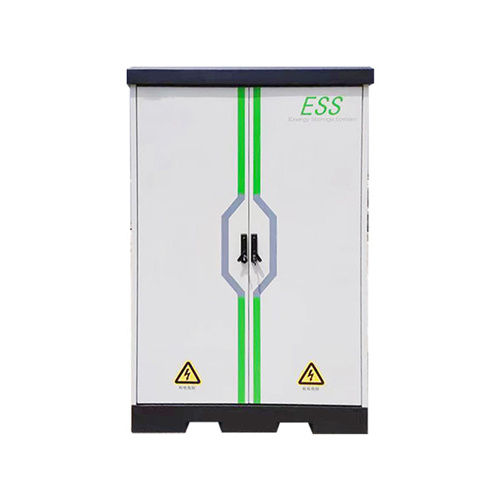
How Far Can A Disconnect Be From An AC Unit: Essential Placement
Best practices and many local codes specify between 4 and 6 feet above finished grade—high enough to deter casual tampering, but low enough for a technician or emergency
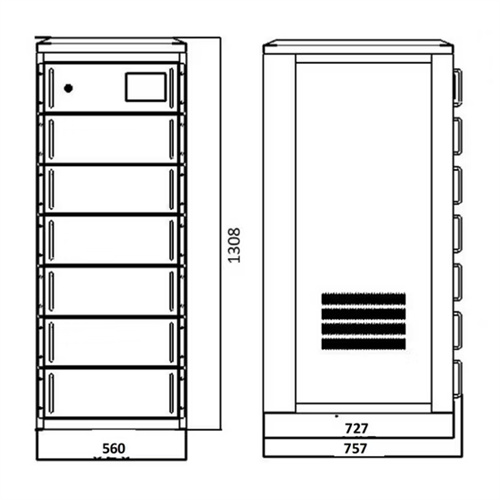
Epsom Salt Baths: How They Work, Uses, Benefits
Epsom salts, also called magnesium sulfate, are a naturally occurring chemical compound thought to help with certain conditions. Those who use Epsom salts do so for a variety of
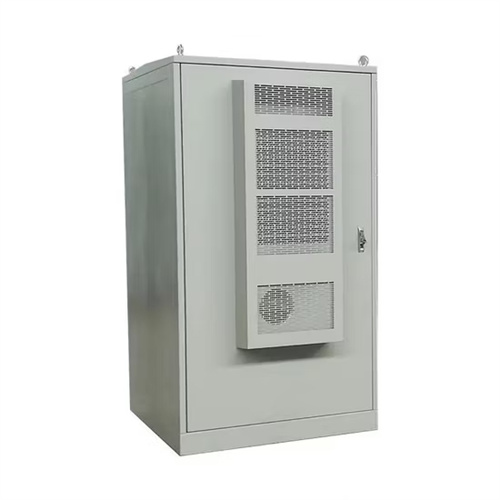
Minimum Clearance Around AC Unit: Essential Guidelines For Safe
Hot air is discharged vertically, so a clearance of 5 feet is recommended above the unit. Avoid mounting under decks, dense foliage, or awnings unless specifically permitted by the unit''s
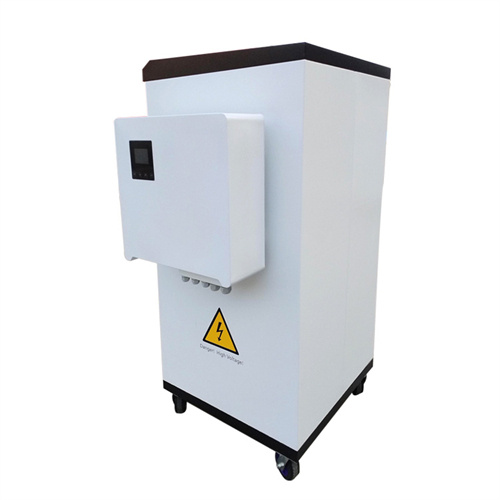
Minimum Clearance Around AC Units: Optimal Distances, Safety
Top Clearance: Minimum of 60 inches (5 feet) for proper exhaust of hot air. Do not stack objects, place planters, or install enclosures closer than the recommended distances. Sufficient
4 FAQs about [How far above self-cooling should enclosure be]
How much space does an outdoor AC unit need?
It’s important to ensure that you have enough clearance around all sides of the outdoor unit; here’s what you should know. At the bare minimum, you should have at least one foot (12”) of space on each side of your outdoor air conditioning unit. That said, some AC manufacturers suggest that you have at least two feet (24”) of clearance on all sides.
How much space should I leave on my AC?
At a minimum, you should leave at least one foot of clearance on all sides, but two feet is generally recommended for optimal airflow and cooling effectiveness. This space allows for proper air circulation, which directly impacts your AC’s ability to cool your home effectively.
How far apart should outdoor AC units be positioned?
You should also have 60” minimum of vertical space above the unit for air to properly circulate throughout the HVAC system. If you place two outdoor AC units too close together, the airflow from each could impact both systems. The minimum recommended distance between two outdoor units is four (4) feet.
How far should a HVAC system be from a wall?
Rear Clearance: At least 24 inches from walls or fences. Front Clearance: 36 inches on the service access side for technician workspace. Top Clearance: Minimum of 60 inches (5 feet) for proper exhaust of hot air. Do not stack objects, place planters, or install enclosures closer than the recommended distances.