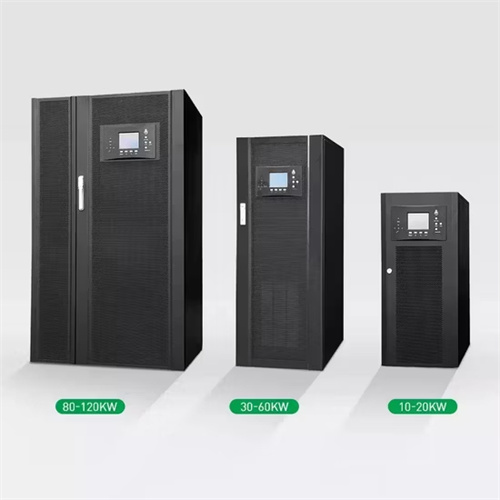
Designing Industrial Battery Rooms: Fundamentals and Standards
Designing Industrial Battery Rooms: Fundamentals and Standards Industrial battery rooms require careful design to ensure safety, compliance, and operational efficiency. This article covers key
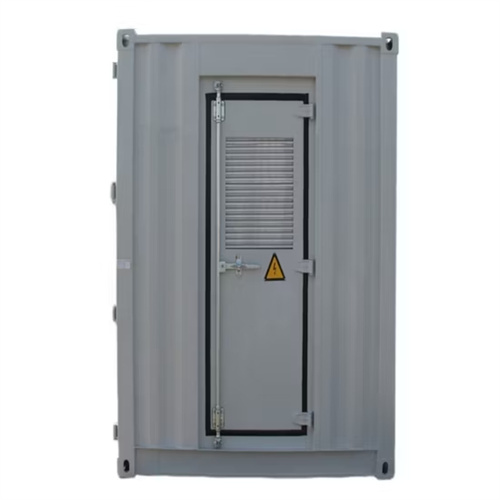
UPS Room Requirements & Cooling Guide | SecurePower
A UPS requires a stable environment to operate efficiently and prolong battery life. Key considerations include: Ventilation: Ensure adequate airflow to prevent overheating. UPS units should not be
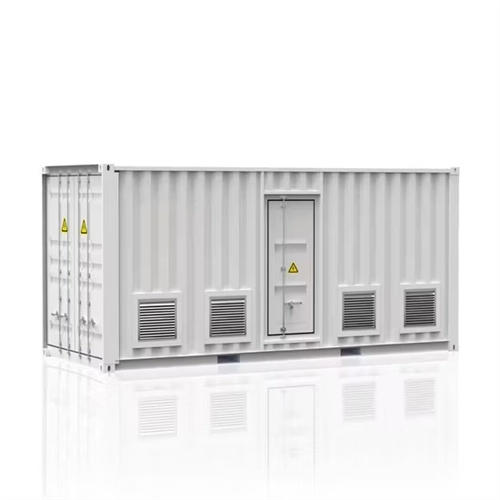
Ventilated Enclosure
A ventilated enclosure is defined as a space equipped with openings that allow for the circulation of air, which can be influenced by natural or forced ventilation systems to manage the concentration of
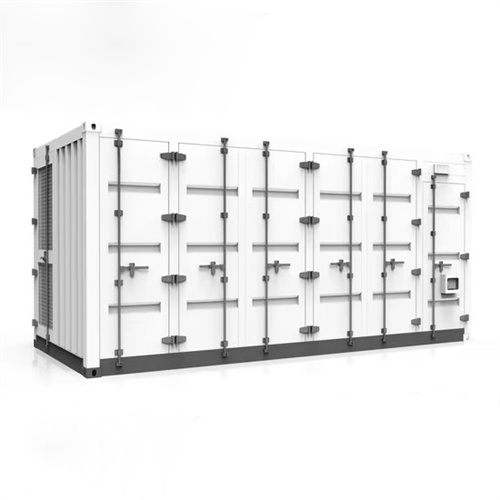
Hydrogen Based Battery Room Exhaust Fan Panel
To overcome the accumulation of hydrogen gas, a ventilation system that comprises of fresh air intake with suitable cooling and exhaust fan dedicated for battery room is being practiced. This when
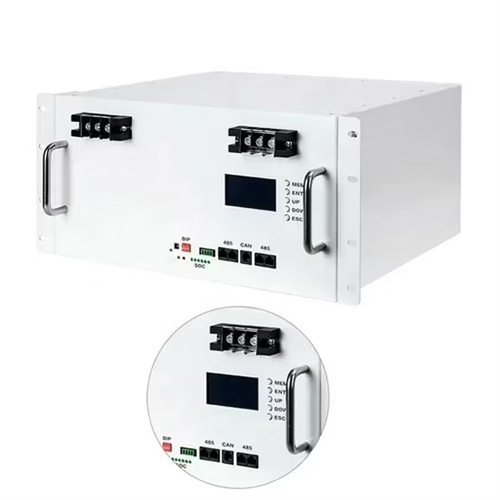
Ventilation Systems
This enclosure now becomes a fume hood around all batteries. With the exhaust vents situated directly behind the batteries, the system constantly pulls cool air over the battery removing all harmful gases,
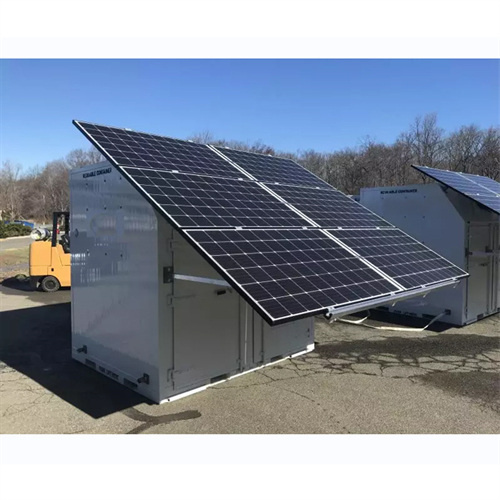
Battery Technology for Data Centers and Network Rooms: Ventilation
Because they continuously vent hydrogen gas, vented batteries are usually installed in dedicated battery rooms. They are sometimes co-located with the UPS, chargers, or other electronic equipment with
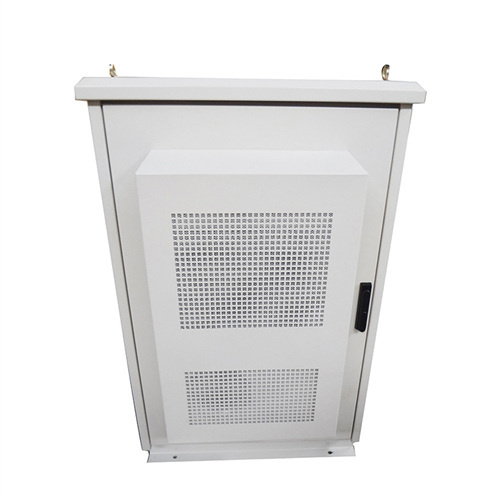
Battery Room Ventilation System (BRVS)
The Battery Room Ventilation System (BRVS) incorporates the Ventilation Stands, Hydrogen Gas Detector (HGD), Hydrogen Exhaust Fan (HEF), and exhaust duct work into one complete system.
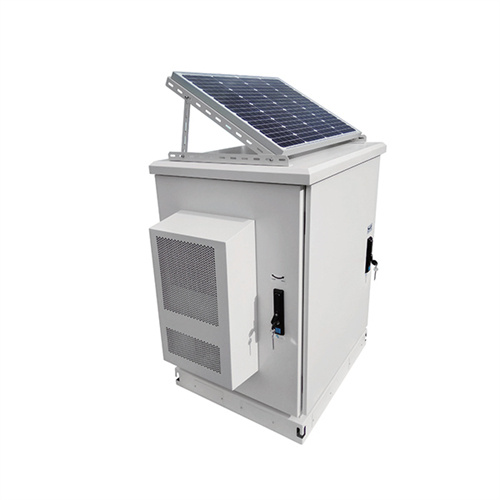
Electrical Enclosure Ventilation Manufacturer and
Enclosure forced ventilation fans, also called FV fans, force vent units or force vent fans facilitate the flow of fresh air into the electrical enclosure. It is a perfect
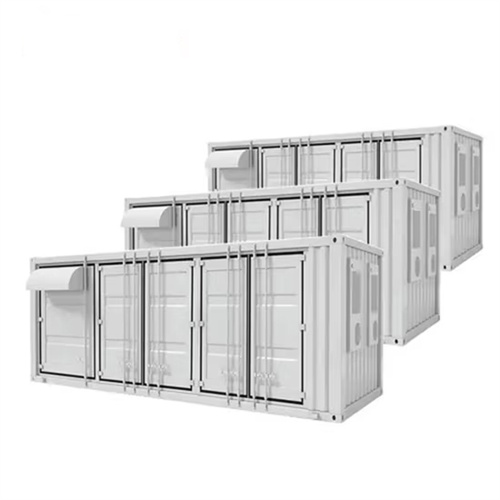
How to calculate battery room hydrogen ventilation requirements
How to calculate hydrogen ventilation requirements for battery rooms.For standby DC power systems or AC UPS systems, battery room ventilation is calculated in accordance to EN 50272-2 Standard.
Ensuring Optimal Ventilation for Secondary Standalone Power
Proper ventilation is crucial for standalone power systems to safely manage hydrogen gas produced by batteries during operation. Using VRLA batteries and Catalyst Life Extenders can
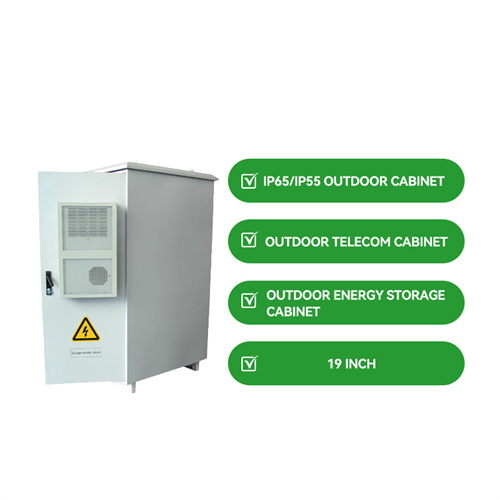
Battery Room Ventilation and Exhaust Systems
Optimize air quality and ensure safety with Eagle Eye Power Solutions'' Ventilation Systems. Designed for battery rooms, data centers, and industrial facilities, our systems remove hazardous gases and
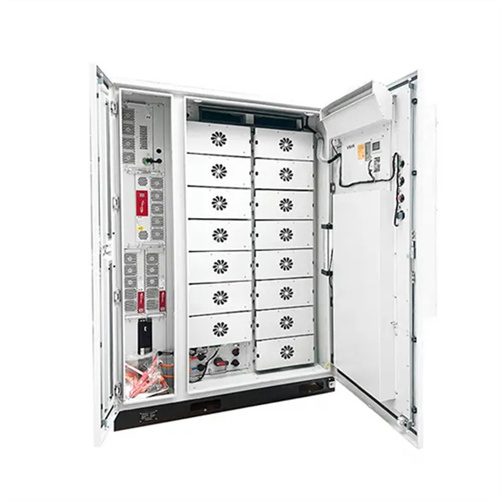
How to Ensure Proper Ventilation When Installing Lithium Batteries
Install batteries with at least 10 cm clearance on all sides, using UL-listed vented enclosures to dissipate heat and toxic gases like hydrogen fluoride. Always integrate a Battery Management System (BMS)
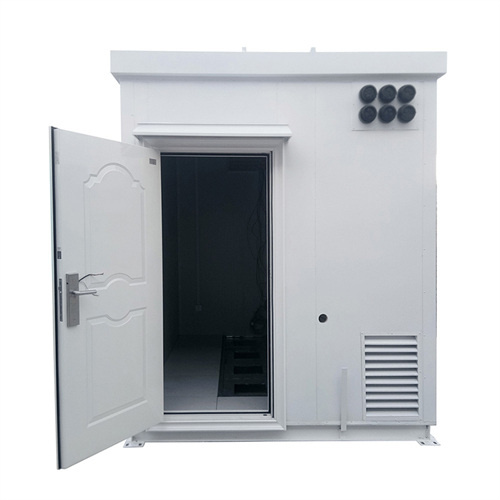
H2Vent™ Hydrogen Venting | Zomeworks Corporation
Explosive mixtures can be prevented if the battery enclosure is designed to take advantage of the principles of natural convection and ventilation. The patented H2Vent™ systems from Zomeworks
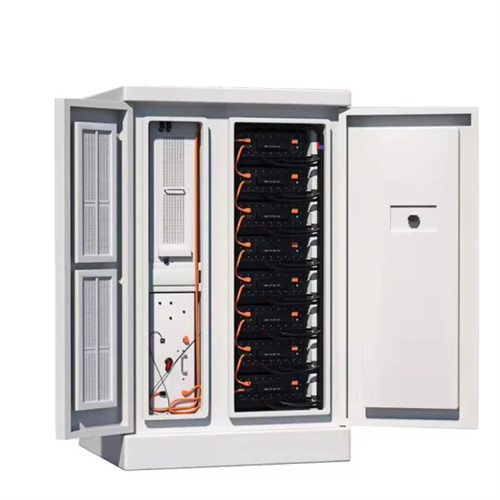
Battery Room Ventilation
This document discusses ventilation requirements for a battery system containing 95 SBLE 1450 cells based on IEC 62485-2 standards. It calculates the required air flow, number of air changes per hour,
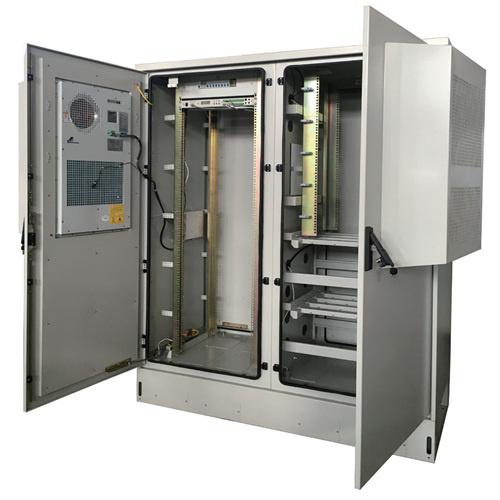
Battery Vents | Vent Products | Donaldson Venting Solutions
Donaldson''s line of dual-stage vents includes Dual-Stage Burst. These vents help protect automotive battery packs and support battery life and reliability through four key functions: Sealing and guarding
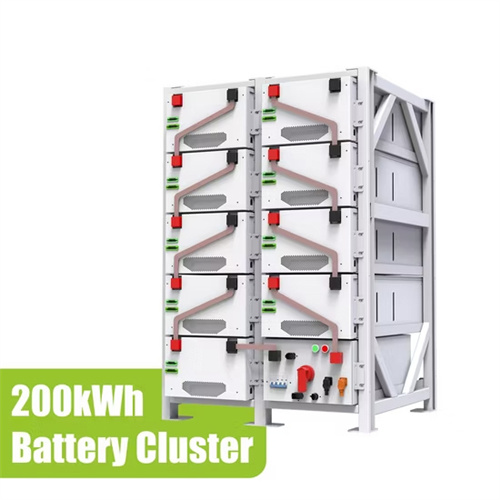
THERMAL MANAGEMENT OF TELECOM ENCLOSURES
Natural ventilation: Natural ventilation provides cooling through vents provided at the bottom and top of the enclosure. Airflow is assisted by the natural tendency for hot air to rise.
AGM Battery: Do You Need an Enclosure for Safety and Proper Venting?
Enclosures should allow for easy access to the battery for maintenance. In summary, while AGM batteries do not strictly require an enclosure, having one can significantly improve safety
4 FAQs about [Battery network enclosure that goes with forced ventilation unit]
What is the purpose of ventilating a battery location or enclosure?
Hydrogen and total gas emissions are also estimated. Heat dissipation during float, boost, and discharge conditions is provided. We take content rights seriously. If you suspect this is your content, claim it here. (oxygen-hydrogen mixture). The purpose of ventilating a battery location or enclosure is to maintain the hydrogen gas
Does a battery room need a ventilation system?
Ventilation systems must address health and safety as well as performance of the battery and other equipment in a room. Valve regulated lead acid (VRLA) batteries and modular battery cartridges (MBC) do not require special battery rooms and are suitable for use in an office environment.
What is a vented battery?
Because they continuously vent hydrogen gas, vented batteries are usually installed in dedicated battery rooms. They are sometimes co-located with the UPS, chargers, or other electronic equipment with which they are associated, although this practice is not recom-mended.
Do flooded batteries need ventilation?
Vented (flooded) batteries, which release hydrogen gas continuously, require a dedicated battery room with ventilation separate from the rest of the building. This paper summarizes some of the factors and U.S. codes to consider when selecting and sizing a ventilation system for a facility in which stationary batteries are installed.